When most people hear the word design, they picture aesthetics.
Colors. Fonts. Images. Layouts.
Design is often seen as the final step. The content is finished, the strategy is set, and then someone brings in a designer to make everything look polished. It sounds reasonable on the surface. But this idea misses what design actually does.
Misconception #4
“Design is just about making things look nice.”
Why This Belief Happens
Part of the reason this misconception exists is that good design often feels invisible. When something is designed well, it just works. You move through it naturally. You know where to look. You know what to do next. You rarely stop and think, “That was well designed.” But when design is poor, the experience feels frustrating immediately. You’ve probably seen this before. A form that’s confusing to fill out. A presentation that feels impossible to follow. A website where you can’t find the information you’re looking for. In those moments, something feels off. Most people recognize the frustration, even if they don’t always realize it’s a design problem.
The Reality
Design is really about clarity. It’s about organizing information so people can understand it quickly.
Once you start noticing it, you realize how much design touches everyday life. Street signs are designed so drivers can read them instantly while moving at high speed. Airports use wayfinding systems to guide travelers through unfamiliar spaces. Packaging helps shoppers recognize products quickly on crowded shelves. Apps organize complex features into simple interactions.
None of these things exist just to look good. They exist to help people move through information without friction.
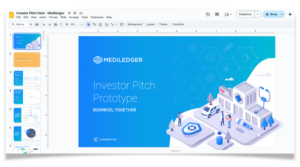
The same principle applies in business. A well-designed presentation helps people follow a story. A clear proposal helps someone evaluate a decision. A thoughtful website helps visitors find what they need quickly.
When design works well, the message becomes easier to understand.
What Strong Design Environments Do Differently
Organizations that understand this tend to approach design differently.
They focus on clarity first
Strong design starts with making information easy to follow. Layout and hierarchy guide people through the message step by step.
They think about how people actually read
Most people don’t read every word. They scan. They look for cues that help them understand what matters most.
Design helps guide that behavior.
They build systems, not one-off visuals
Consistent typography, color, spacing, and layout systems help materials stay organized across presentations, websites, and marketing materials.
They support decision-making
Good design helps people compare ideas, process information faster, and move toward decisions more confidently.
In many conversations with organizations, the challenge isn’t a lack of good ideas. Teams often have strong strategies and valuable products or services. The difficulty usually comes from turning those ideas into materials that people can understand quickly and easily.
When design is approached as a communication tool instead of a finishing touch, the difference becomes clear almost immediately.